This is a long one. I recommend you read all the way through, then go back and click through the links!
There's a person with a drinking problem that has progressively gotten worse over the past two years. That person can't wait for their first drink of the day, even though they are filled with guilt and shame the next morning and they keep repeating the cycle again and again. Close your eyes and picture that person.
What does that person look like? Do they have a home? A family? A job? What kind of clothes are they wearing? What do they drink?
REALLY DO THIS. Get the picture clear in your mind before you read on.
Did the person you pictured look anything like you? Like your high-functioning coworker? Like your boss? I'm guessing that's not who comes to mind.
Most of our brains jump straight to the guy on the street with a 40 in a paper bag (if you don't know what a 40 is, you obviously don't listen to 90's hip hop or didn't grow up in Alaska).
I'm guessing you weren't picturing someone who looked like this:

Or this:
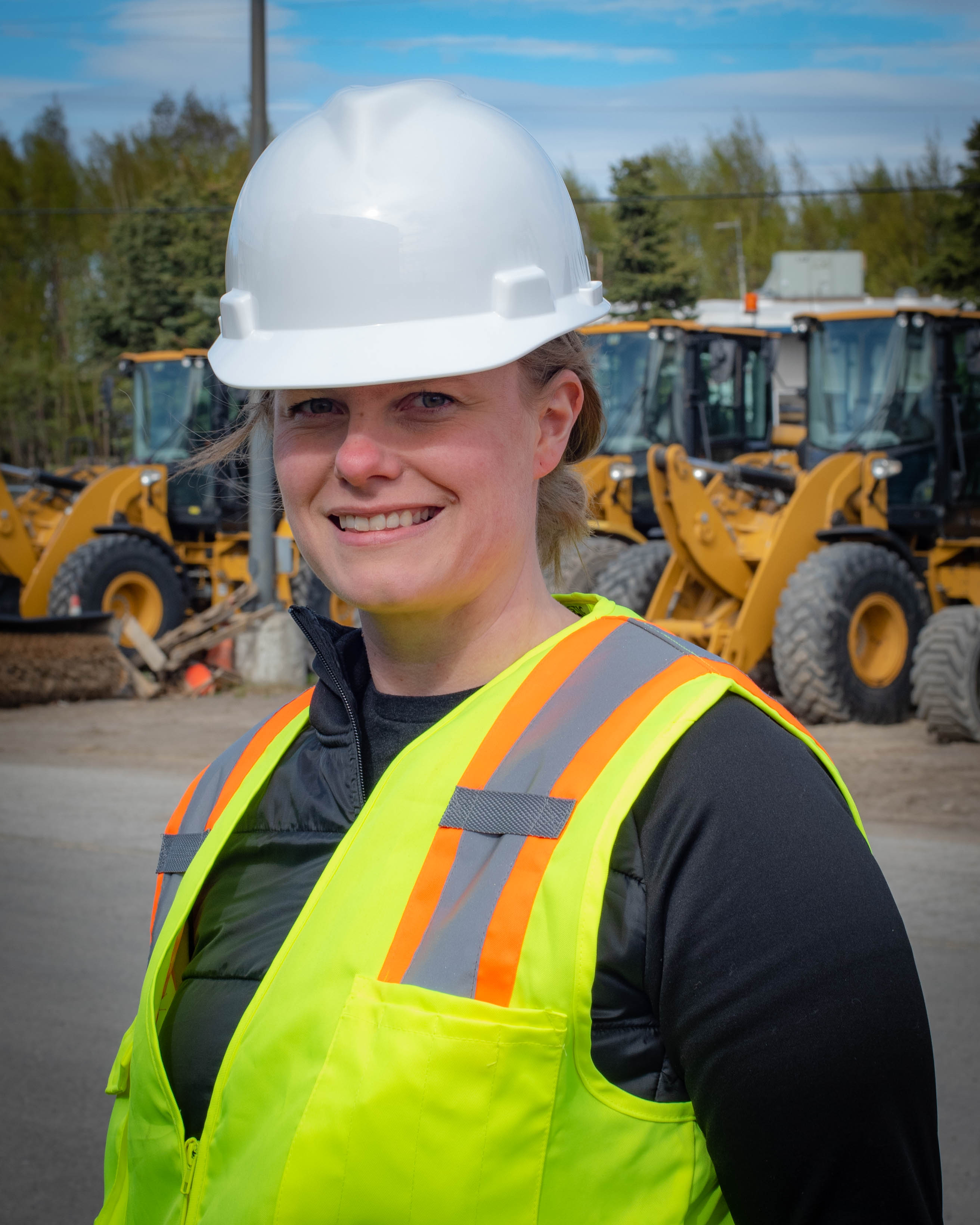
Or this:
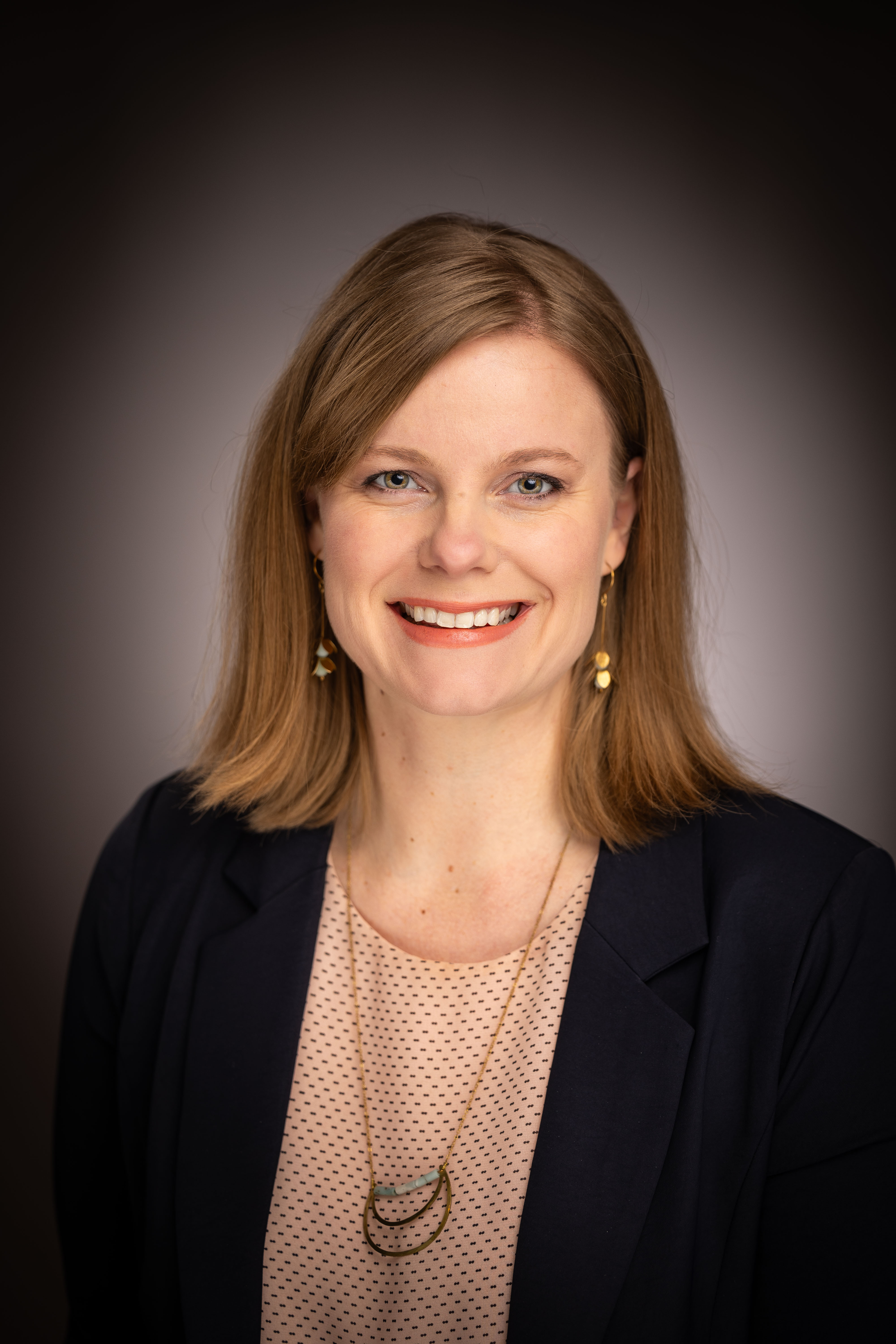
April is Alcohol Awareness Month and I want to kick this newsletter off by challenging how we think about alcohol in our society and at work, and who we think "looks the part" of someone struggling. If you're new here, you might not know my personal and professional journey. No one would have guessed that the white, blonde, Operations Manager of a construction company, the mother & wife, the homeowner, the adventurer, the subsistence hunter, fisher and gardener was drinking herself to sleep every night. I didn't look or act the part. I still showed up to work every day and got sh* done.
I was using the tool I knew best (alcohol) to cope with the overwhelming feeling of failure and grief after a coworker died by suicide at work, and navigating work and new motherhood during COVID. On the outside, I was still leading, directing, holding space for others, being the calm in the storm. But inside was a battle I didn't know how to cope with.
I couldn't reconcile the dissonance between thinking I was this great, emotionally intelligent leader who openly bragged about never having a serious injury or fatality on any of my jobs...while at the same time, I couldn't even count on both hands the people that never showed up to work again because of overdose or suicide. And now this. Now a suicide, on my watch, on my jobsite.
I spent the better part of two years trying to drown out really destructive thoughts about the role I was playing in a system that was burning people out and the role I was playing as a leader asking people to give their all and be healthy and safe when I was moving farther from that myself. Llikely the straw that was breaking me was the role that I was playing called mother. The mother that only saw my child one wakeful hour per day her first year of life while I tried to maintain the work pace that got me to where I was, and keep my mind busy by throwing myself into work, which was safer than the what would come up in the quiet.
I am one of the lucky ones that didn't have a messy rock bottom. I am one of the lucky ones that was able to pay for the therapy and the subclinical, online coaching group that would ultimately get me sober. I am one of the lucky ones that already had an established career and was able to ask for what I needed and pivot and shift to do what I needed to do for my physical and mental health. I am one of the lucky ones that recoverd and is now doing everything in my power to create a system of conduit between the people that need help and the help, and redesign the organizational cultures that unintentionally normalize alcohol use and unintentionally create barriers for seeking help.
I can never go back to the years that I watched or heard of people dying from substance use and suicide at work and in my community, but I am speeding forward like a freight train to prevent more from occurring, and I believe one of the most underutilized methods of reaching people and preventing substance use after high school is the place where working age people spend 1/3 of their life...at work.
Alcohol is the drug that doesn't discriminate and is not only socially acceptable, but socially EXPECTED. The CEO's use might look fancier with whiskey on the rocks, or $100 bottle of wine while the laborer has cans of generic beer or the cheapest plastic bottle of vodka but the affect on the body and mind are no different.
Alcohol is a leading preventable cause of death (estimated ~178,000 per year in the US) and is linked to over 200 disease and injury-related conditions, and is a group I carcinogen. In 2024, Americans spent 228 billion on alcoholic beverages for private consumption. Of all the states in the US, Alaska spent the most per person with Wyoming coming in second. Not surprising, Alaska and Wyoming are consistently in the top states with alcohol related fatalities per capita as well.
Factor in Alaska's alcohol related fatalities and excessive drinking rates with occupation group overlays (construction and extraction ranking higher than other occupation groups) we have a vulnerable population that doesn't match the picture many of us hold in our heads about who is suffering from substance use disorders or living in recovery or just wanting to make a change after relying on substances to cope for too long.
There are VAST resources available from clinical to subclinical but there is a major disconnect between the people needing help, and the people offering help. I have a strong suspicion that employers can help be the conduit here and this is exactly what I help employers do. I'm not asking employers to do this out of the goodness of their heart, either.
Addiction costs American employers an average of $81 billion, that's right BILLION in lost productivity, turnover, absenteeism, work-related injuries and fatalities. The annual economic impact of substance misuse is estimated to be $249 billion for alcohol misuse and $193 billion for illicit drug use. An estimated 46 million adults over age 18 in the US experience substance use disorder. Nearly 9% of the workforce in the US reports being in recovery.
I just attended the Safety Leadership Conference put on by the Alaska Power Association and there was a presentation from the Federated Rural Electric Insurance Exchange that would NOT surprise any Occupational Health & Safety or Workers Comp. Professional; the vast majority of incidents occur on Monday mornings and Thursday/Friday nights. Here's what drives me nuts, we're willing to talk about fatigue and distraction, but not willing to say what we all know is going on Monday mornings and Thirsty Thursdays that will never be caught by your "Zero Tolerance Drug & Alcohol Policies".
You might blow a 0.00 on Monday morning, but it takes your brain a lot longer to recover decision-making, memory, coordination/reaction time, and emotional regulation. I can tell you that there were many a work morning where my brain wasn't clear until afternoon. I can also tell you now, well into my sobriety that I probably could have been an astronaut if I hadn't started drinking at 14. My brain is sharper than I knew was possible!
In the sober communities I am in, everyone talks about the clarity, the clear thinking that comes with months and years of keeping toxins out of your body. Yes, at first we're all focused on how to NOT drink in a culture that glorifies drinking, but after a certain point, you start seeing these benefits...in your skin, your eyes, your brain, your energy. It's literally like a superpower that I wish even "average" drinkers could experience. I digress.
Employers: it might not be your fault that people are drinking after work but it is time to examine if you are unintentionally encouraging drinking, unintentionally creating barriers for people to get help, or creating systems of chronic distress at work that is fueling a fire you don't even know is smoldering right under your nose.
Regardless of if you are aware or not, you have people working for you right now that are in recovery or wish they were in recovery and you are absolutely suffering the consequences of unmanaged alcohol use whether that is through high claim rates from acute or chronic illnesses or injury, or disengagement, or over 50% higher unplanned absences, or presenteeism; when people show up even though they are ill or unproductive.
So, I just hit you with a lot of data and links and I'm wondering how many people you know at your workplace that are sober or in recovery, or have a substance use challenge?
If you answered none, just know that doesn't mean they aren't there. It means you don't know. I have been speaking publicly about my sobriety in most settings I present about health and safety because it's an INCREDIBLY relevant health and safety topic and EVERY time, literally every single time, people will come up to me after and flash their AA coins or tell me a story about their own struggle, or their immediate family member or coworkers' death or recovery and I always wonder if anyone else they work with knows their story:
The skilled tradesperson that survived a suicide attempt. The superintendent that has been sober for 14 years. The physician that experienced secondary trauma and drank over it for two years until suicide felt like an option and they felt like getting help was out of the question for fear of losing or suspending their licensure. The nurse that put themselves in treatment out of state and returned to disclose their recovery and was punished for a year by the licensing board. The father of a young pilot who felt they couldn't get help for fear of losing licensure that ultimately died by suicide. The skilled tradesperson that lost three coworkers in two years to suicide. The president of a construction company that is 20 years sober and understands now why he should talk to his staff about his journey but doesn't know how to do it. The skilled tradesperson who got sober after a DUI and a health scare but couldn't ask HR for help navigating benefits. The skilled tradesperson whose coworkers died doing recreational drugs after work and didn't know they were laced with fentanyl. (and these are just from this past year, there are so many more)
So what do we do with all this information? Here are some suggestions to consider:
1- Think of your own life and health first.
Are you happy with your coping strategies? Are you happy with your daily habits and patterns? If alcohol is a part of your daily or weekly cadence and you are questioning that, know that there are so many resources out there to help you either take a break to see how it feels, or stop. There are books, podcasts, free community meetings, coaches, therapists, and if needed, there are options for medication assisted treatment, outpatient, inpatient...there are so many options, but step one is deciding if you want to make a change.
2- Think of the systems in your workplace that might be inadvertently encouraging alcohol overuse:
Company Celebrations/BBQ's/ Happy Hours/Golf Tourneys/ Fundraisers
Are you offering NA options and ensuring the mission is central, not the alcohol? (Not just water or iced tea! There are fantastic NA microbrews, wines, and mocktails available these days. O'Douls as the only option is a thing of the past!)
-
-
Are you handing out alcohol automatically? I just went to a fundraiser and they handed me a glass of champagne at the door and I tried to give it back and they wouldn't take it because "we need you all to drink more so you spend more". This person had no idea I don't drink but this type of assumption and behavior is putting at least 9% of the people in that room at risk.
-
We all have been to work events, happy hours, conferences that center around alcohol with zero consideration of how that could impact an employee in early sobriety. In some cases, it's literally putting their lives at risk. When you're someone who won't likely stop at one, having your boss or coworkers pressure you into a drink is not just an annoyance, it's as serious as asking your employees to work from heights with no fall protection; some might be fine, but some won't...
-
3- Think of the systems in your workplace that affect recovery and substance misuse:
- Are leaders committed to all workers' wellbeing?
- Is workforce wellbeing reflected in mission, vision, values and decision making
-
Are policies and procedures designed for workforce wellbeing
-
Are all leaders trained to:
-
notice signs of substance use
-
have a direct, compassionate, "hard" conversation approached with curiousity and care if they notice signs or changes in behavior
-
Manage their own stress in healthy ways
- Provide a warm handoff to resources and further care
-
-
Are all employees trained on their benefits and EAPs (and not just once during onboarding, but multiple times through multiple avenues throughout the year)
-
Does your incident management plan include how to address the mental and emotional health of the workforce that may be affected by any incident? Emergency Response Plans, Emergency Action Plans should not end with "respond to the immediate incident" and report. There are humans impacted by every incident that occurs in the workplace and you cannot predict how they will respond. You do not know the context of their life, or the tools they have to cope in a healthy manner. The time to figure out how to talk to people about the emotional impact of an incident and figure out what your resources are is not when the emergency happens!
-
Does your Return to Work Plan include resources for substance use, even if the incident had nothing to do with substances? Are your leaders trained to have direct, caring conversations regarding increased risk of substance use post-incident?
4- Know your national and local resources, and make sure they are compiled and published for your team to access without requiring disclosure of their issue to someone in your organization. Remove as many barriers to access to resources as you can!
Here is a starter list of resources:
SAMHSA's 24/7 National Treatment Referral and information service for mental and substance use disorders Hotline: 1-800-662-HELP (4357)
Your company health insurance and EAP
There are numerous online and in person communities for those seeking sub-clinical support as I did. Here is a short list of options that I am aware of, but keep this is not an exhaustive list:
Womens Only: Lighthouse Sobriety
There are SO MANY resources, if you're looking for something particular for yourself or your staff, reach out and I'm happy to help.
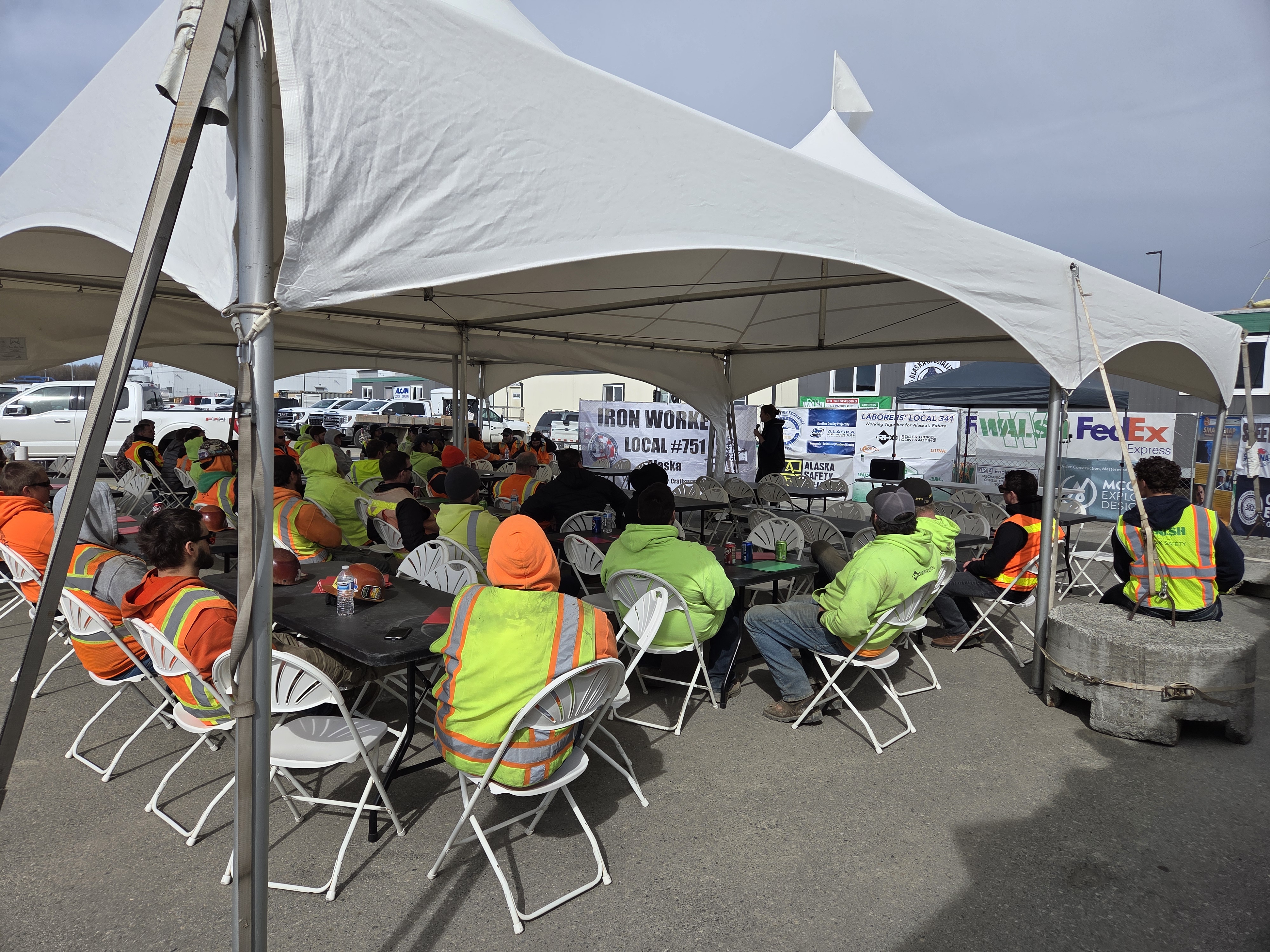
How Can I Help?
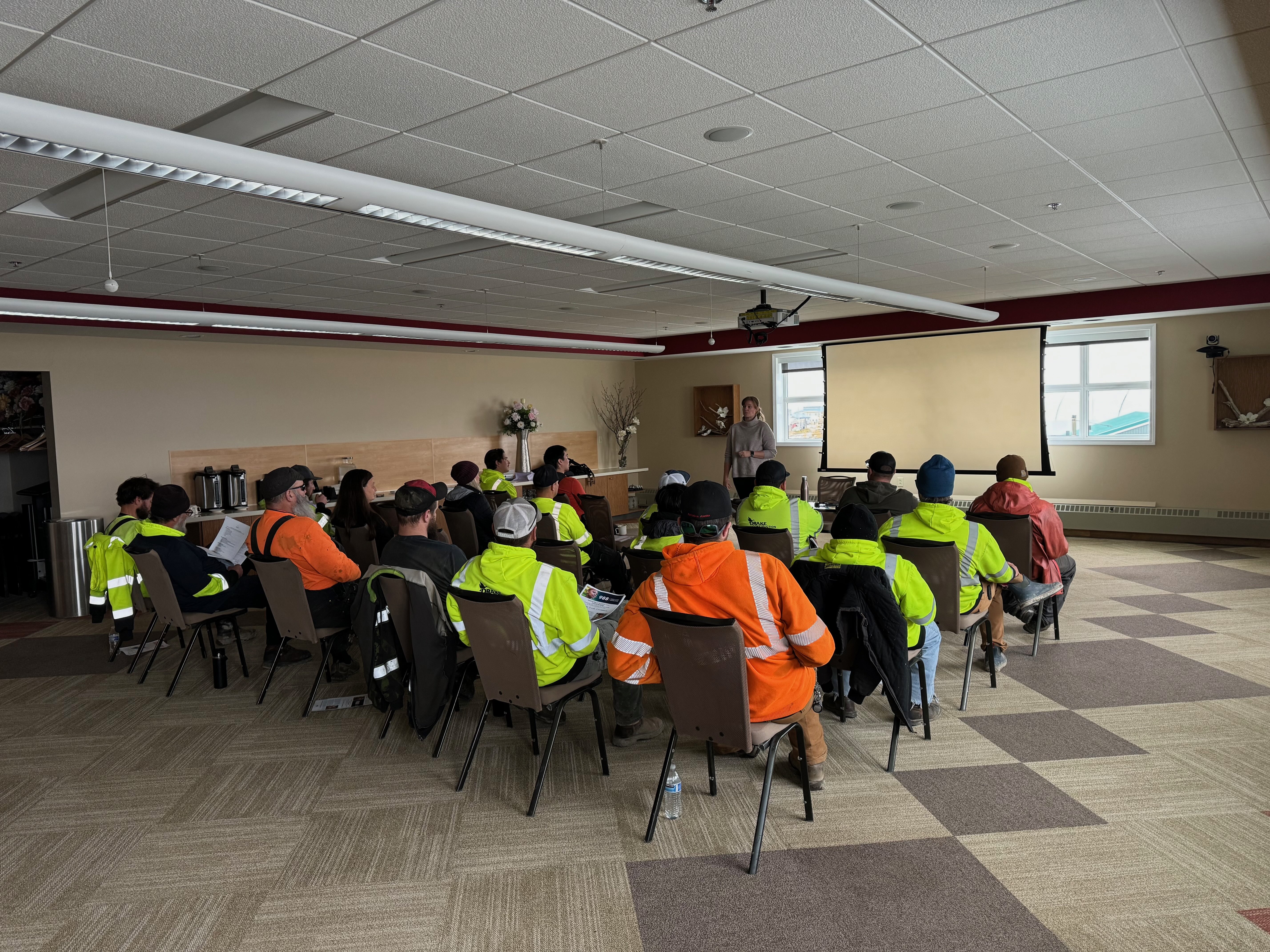
- If your organization is looking to start the conversation on substance use and mental health at work in a very real, authentic way to inspire and empower people to make change in workplace systems and in their own lives, and to model what talking about these "tough" subjects can look like, I'm an e-mail or phone call away and willing to travel.
- If you want someone to work with your leadership, Safety, and HR to look with fresh eyes at culture, policies, procedures, or help compile resources and test your benefits, and train from the top down on how to support your workforce so they can be at their best, I'm here and ready!
- If your organization is looking for a confidential employee benefit beyond your EAP that provides your employees with a 24/7, dedicated phone number to reach a real, human, peer support specialist or recovery coach to navigate the level of resource that is right for them, ask me about Sobrynth.
- If you're interested in becoming a Recovery Friendly or Recovery Ready Workplace, check out these links and contact me if you need help readying your team, planning or implementing.
- If you personally are looking for a coach that has been trained through the International Association of Professional Recovery Coaches, you can book an appointment with me as a concierge to your own recovery.
Lastly, if you're interested in reading some books on these topics, I have a curate library here.
We can catch this earlier and connect people to care. Before the incident, or the phone call you never want to receive. We can build workplaces and lives that don’t require people to numb themselves just to get through the day.
We can become engines of wellbeing instead of engines of burnout, illness, and preventable death.
It starts with one honest conversation. One person willing to say, “I see you” Be that person for yourself, your team, for the people who don’t have the words, but will follow if someone else goes first.
Naomi DuCharme | [email protected]
Workforce Wellbeing Strategist, Facilitor, Coach
Integrating Wellness Solutions: Where safety, health, and wellbeing aren't standalone programs or initiatives; they're outcomes of well-designed, integrated systems.


Responses